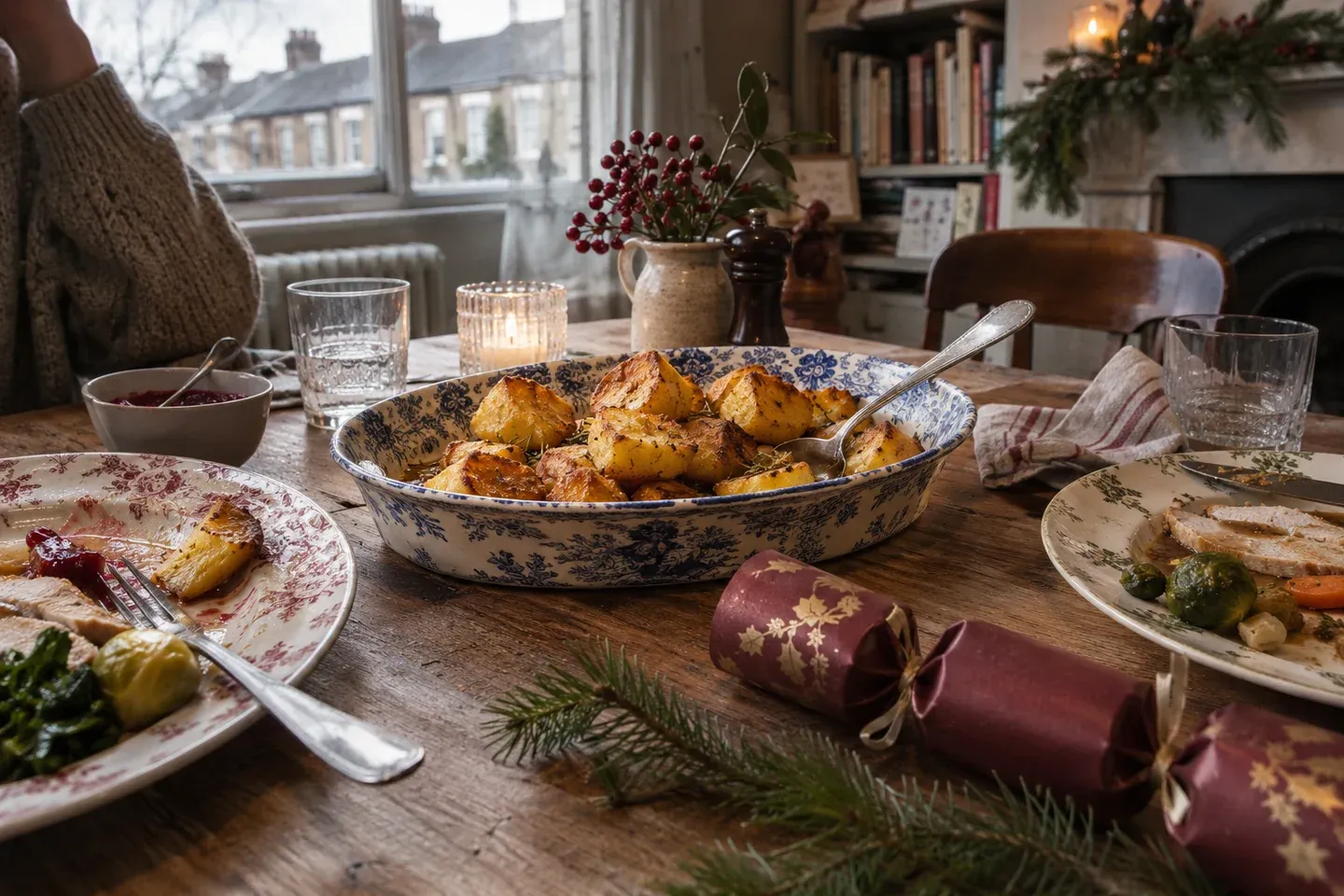
“Come for Christmas. You can have the spare room.” It’s lovely to be asked. You can almost taste your sister’s roast potatoes. It’s the thought of still being there in your slippers the following morning that makes your heart sink a little.
You can accept Christmas lunch and decline the overnight stay in the same breath. Try “I’d love to come for lunch. I’ll be heading home afterwards, so you can leave the spare bed as it is. What time are you thinking of eating?” That last question matters. One family’s lunch is on the table at one. Another family might just be peeling the spuds.
In December 2019, this blog’s original writer, 58andcounting, described years of hosting Christmas. There had been eight to ten round the table, a Z-bed to find room for and, one year, a rabbit in the utility room. She knew how much work could sit behind the offer of a bed. Giving somebody a definite answer while the sheets are still in the cupboard is a small kindness to a host.
Work backwards from getting home
Suppose you’d like to have pudding, help wash up and be home by six. Check what journey you can actually make on Christmas Day, especially if somebody else would have to give you a lift. Then tell your host the time you’d need to leave. If they’re planning to eat half an hour before that, “just lunch” starts looking like a lot of effort for a fairly brief encounter with a parsnip.
Sometimes the bed is the nicest part of the offer. The useful question then is what happens the morning after the stay. In her account of Christmas in Derbyshire, 58andcounting enjoyed having everything done for her at the hotel her parents had booked. When it was time to go back to work, she got up at half past four and drove straight to her shift. Both things can be true of the same invitation. Before saying yes to the night, picture yourself getting up at the other end of it.
When they say, “But you’ll be on your own”
If that’s precisely what you’re looking forward to, it’s all right to say so. “I’m looking forward to seeing you. I’m also rather looking forward to an evening with my book. Shall I bring anything for lunch?” A real detail makes it easier for someone who cares about you to picture a perfectly good evening.
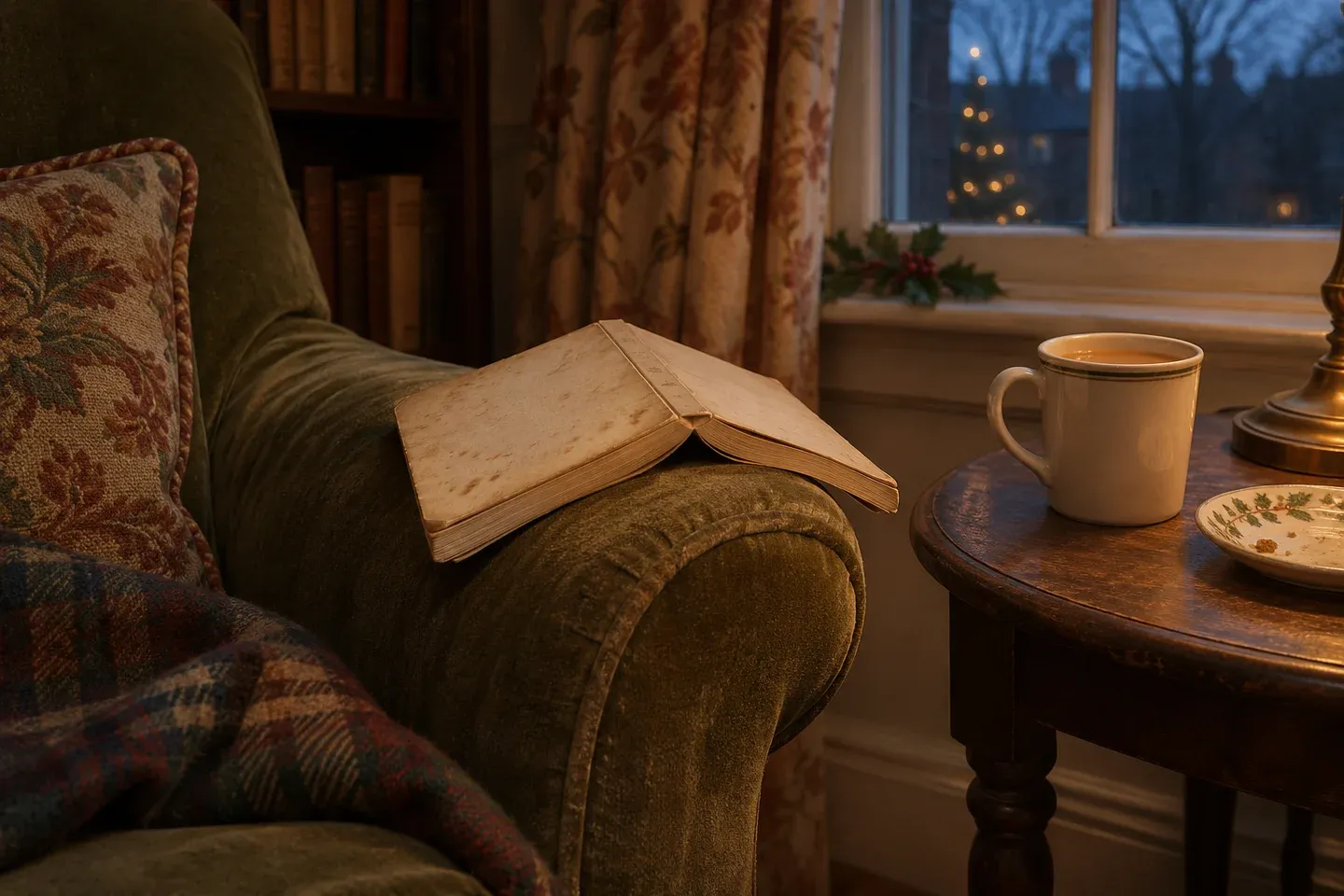
Perhaps you do mind going home to an empty house, but a whole night as somebody’s guest feels too much this year. You needn’t invent a marvellous evening to justify leaving. “Lunch would be lovely. I’d like to sleep at home this Christmas.” If they offer a better mattress, thank them. You’ve already answered the question about the bed.
If a shorter visit doesn’t work
Give the host room to say so. They might have booked a table for the evening, or been counting on sharing the drive. Ask which bit of the visit they’d miss. If it’s the chance for a proper natter, tea together on Christmas Eve might suit you both better than trying to catch up across a crowded table. In A Merry Little Christmas?, 58andcounting packed sandwiches and scones into cool boxes and took afternoon tea to her parents on Christmas Eve. The visit had an occasion of its own.
Already agreed to stay? Ring while there’s still time to change the arrangements. Say what’s changed and ask whether they’ve paid for anything on your behalf. If you’d welcome a different visit, suggest a day you can put in the diary. Debrett’s advice on declining invitations is particularly good on resisting the urge to make up an excuse.
And if lunch does work, send the little message that settles it. “See you at one. I’ll bring the pudding and head off about four.” Now someone knows how many places to lay, and whether to bother with the sheets.